
Magnesium acts as an essential cofactor for the activation and metabolism of Vitamin D3, enabling the body to convert it into its active form for calcium absorption and bone health. It helps regulate vitamin D levels by boosting them when low and optimizing them when high, preventing deficiency-related issues like weak bones, muscle problems, and reduced immune function.
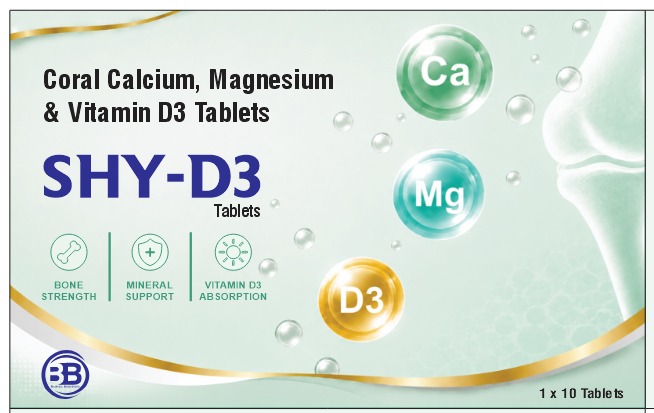
Role of magnesium with vitamin D3 in human body
Magnesium is essential for activating Vitamin D3, It’s enabling regulate calcium and phosphorus for bone health, immune function, and cardiovascular health. Without sufficient magnesium, Vitamin D3 remains inactive, leading to potential deficiencies and ineffective supplementation. Together, they maintain mineral homeostasis and prevent skeletal deformities.
Key Interactions and Roles
Activation of Vitamin D3:
Magnesium acts as a crucial cofactor in the enzymatic reactions in the liver and kidneys that convert Vitamin D3 into its active form.
Bone Health and Mineralization:
Magnesium helps regulate Calcium and Phosphate homeostasis, which is critical for bone mineralization and structure.
Optimizing Vitamin D Function:
Adequate magnesium prevents the accumulation of inactive Vitamin D3, reducing the risk of “magnesium-dependent vitamin-D-resistant rickets”.
Enzymatic Support: Magnesium is required for over 600 enzymes, including those involved in transporting and activating Vitamin D3.
Optimal Absorption: Vitamin D3 helps stimulate the intestinal absorption of magnesium, creating a synergistic effect